A Canada–Azores Transatlantic Initiative in Marine Environmental Monitoring

Coastal communities across the Northwest and Northeast Atlantic are experiencing the very real impacts of our changing ocean.
Warmer waters, rising sea levels, heavier rainfall and more frequent, intense storms are reshaping coastlines and disrupting livelihoods on both sides of the Atlantic.
For governments, businesses and residents alike, the challenges are no longer distant—they’re here, now, and accelerating.
In Atlantic Canada and the Eastern Arctic, we are tackling these pressing challenges through innovative joint education and training initiatives. Coastal Explorers Field School (CEFS) has joined forces with a network of private and public sector partners to create and test out youth training programs, workforce development initiatives and community-driven citizen science.
OceansXchange was conceived as a special project of the UN Decade of Ocean Science for Sustainable Development. Our goal: to connect our regions, facilitate the sharing of knowledge, and identify collaborative opportunities in training, workforce development and technological innovation.
Through this transatlantic partnership, we aim to build collaborative networks and foster joint solutions for the future of our coastal communities.

Featured Projects
Partners share a commitment to building a talent pipeline of young professionals and community leaders committed to environmental stewardship and sustainability of our coastal communities.
Two partner-driven projects are featured below—in Nunavut in Canada’s Eastern Arctic, and on Faial Island, in the Azores.Hands-on training in the field is the cornerstone of our joint programming. Students, teachers and citizens alike get involved in real-world research and coastal monitoring projects.
To learn more, see the Qikiqtani Futures brochure here.
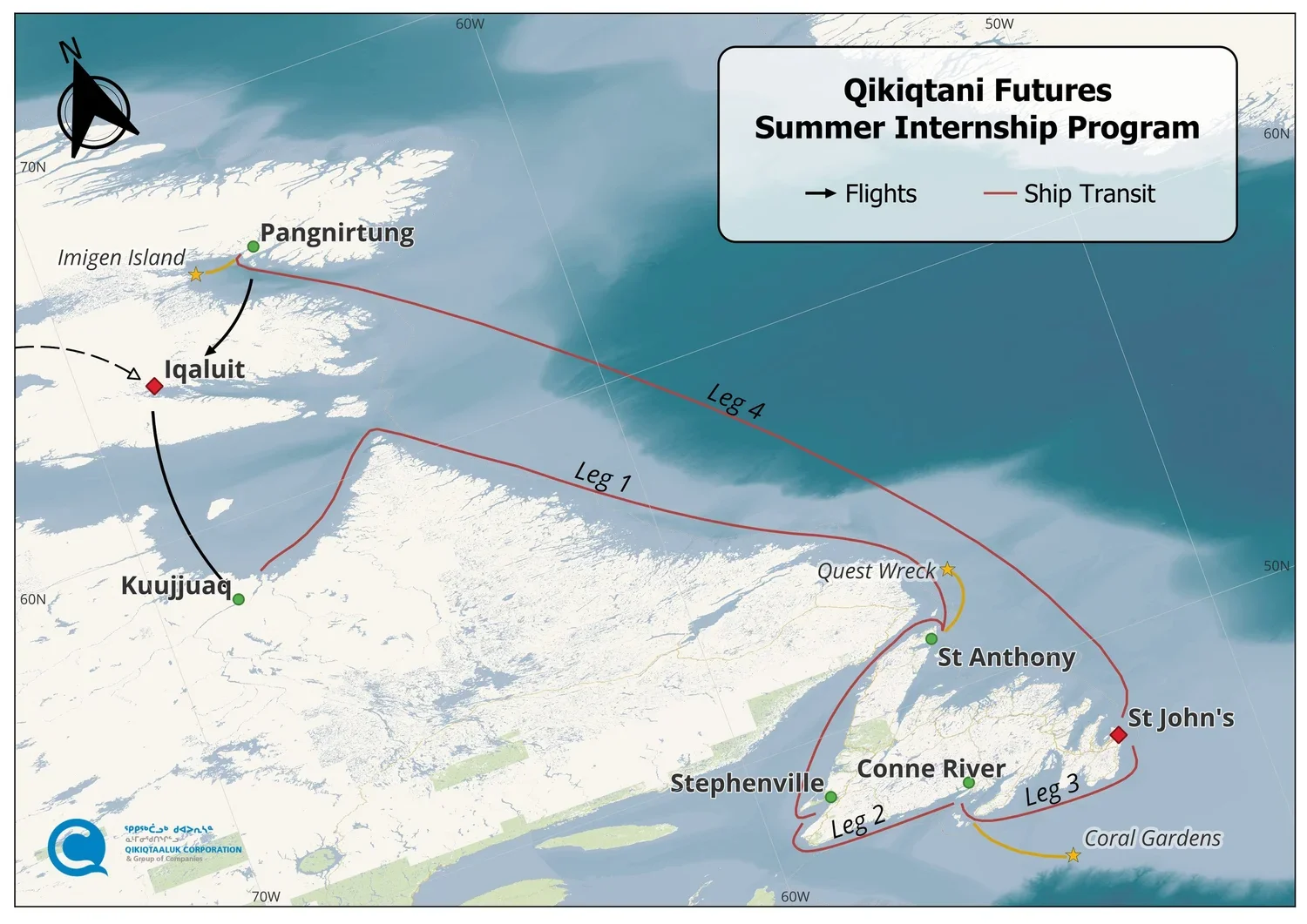
Qikiqtani Futures Youth Outreach and Training Initiative, Nunavut, Eastern Arctic (Canada)
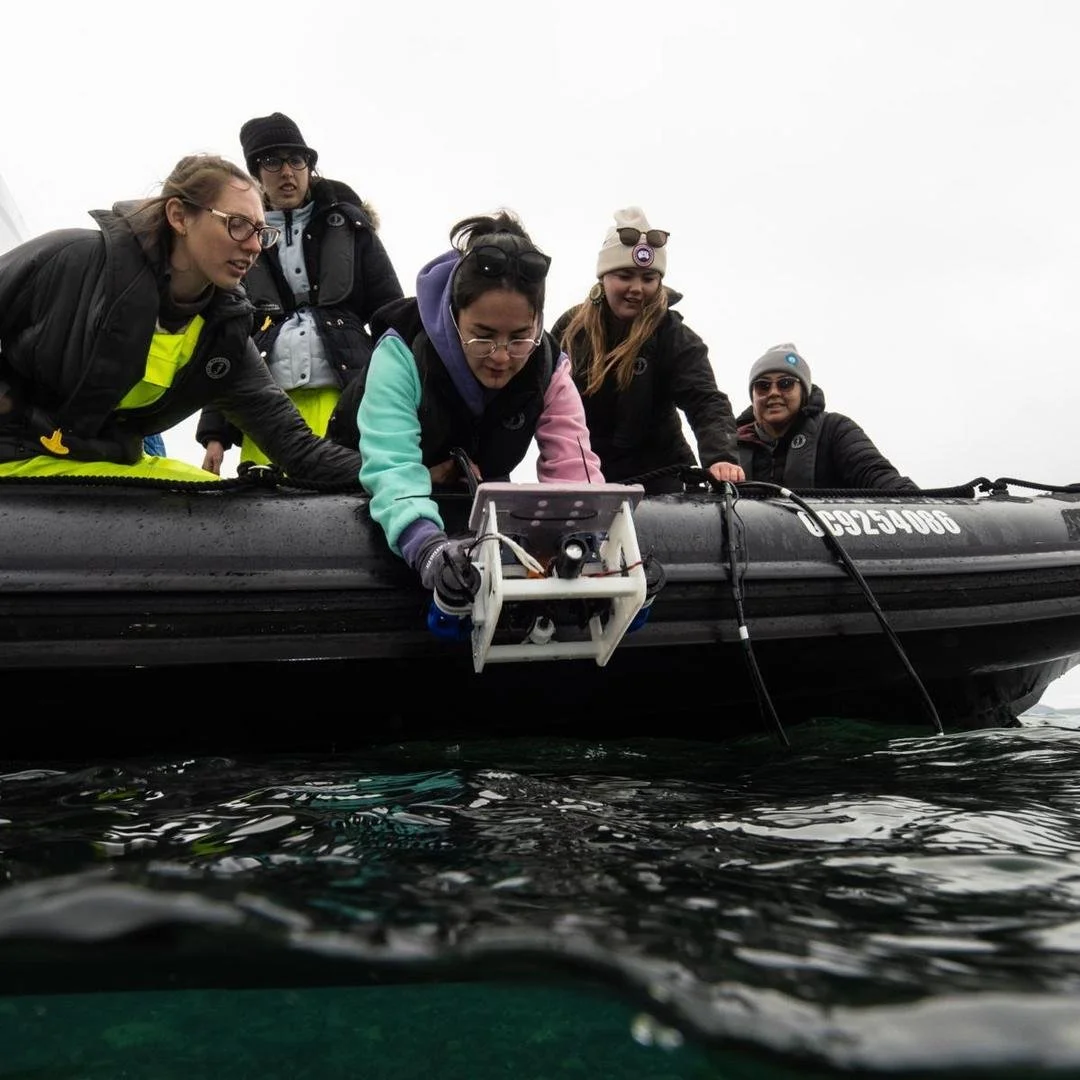
In Canada’s Eastern Arctic, a network of partner organizations led by CEFS is helping shape the future of environmental stewardship through Qikiqtani Futures—a groundbreaking training and workforce development program for Inuit youth.
Developed in partnership with the Qikiqtaaluk Corporation, this initiative equips students with the tools, skills, and experience to actively participate in coastal ecosystem monitoring.
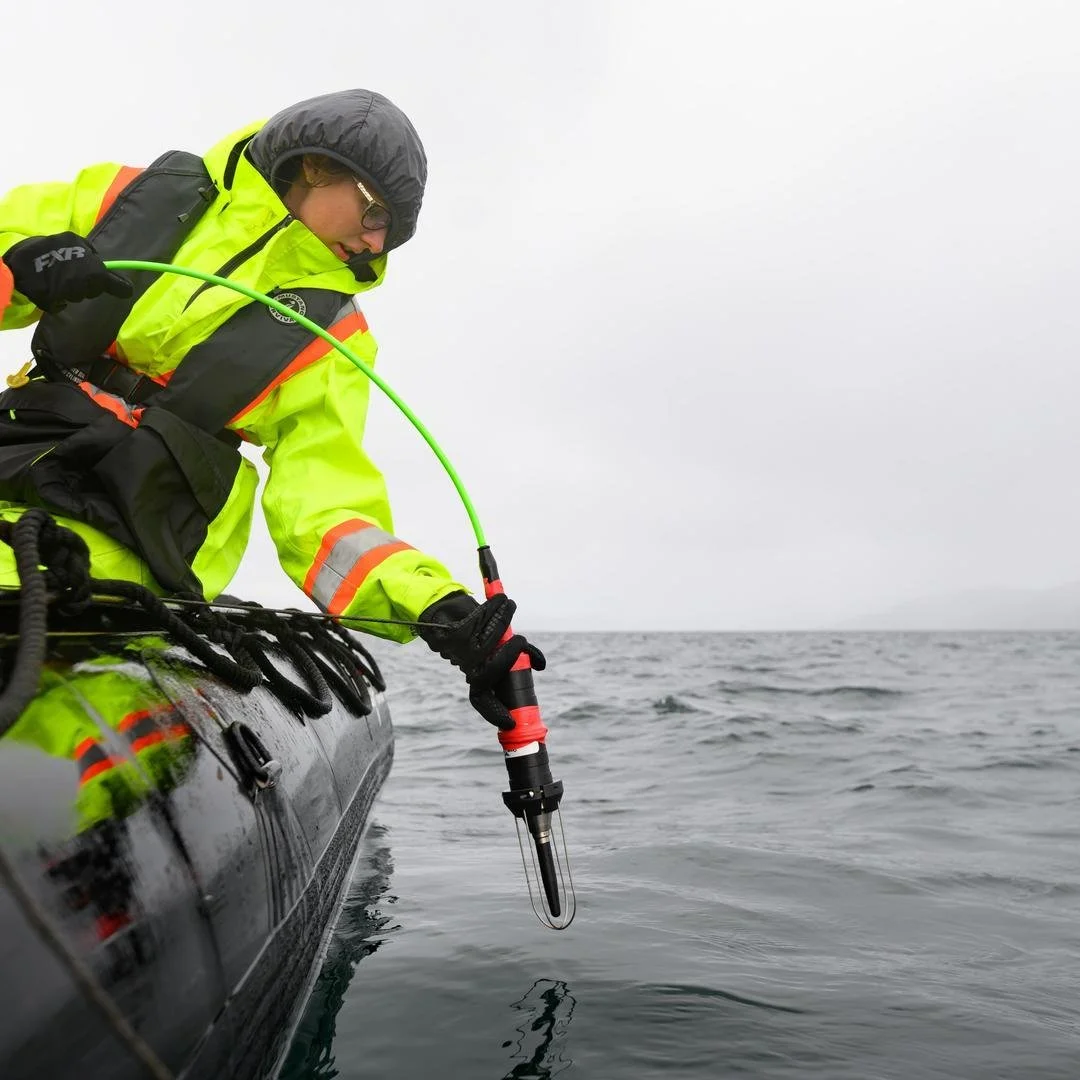
Participants gain hands-on experience with cutting-edge technologies, including:
Environmental DNA (eDNA) water sampling
Aerial drones for site surveys
Oceanographic sensors
Mini-ROVs for nearshore habitat mapping
Students also learn to manage and interpret data using FieldScope, a global citizen science platform.
Since launching in fall 2022, the program has expanded to four communities, with a vision to reach all 13 communities in the Qikiqtani Region. Summer research expeditions provide real-world field experience, creating pathways into careers in science, technology, and environmental management.
Supported by a strong network of partners, Qikiqtani Futures is building both skills and awareness of career opportunities—helping building local capacity in marine environmental management.


Mission 2030 Project, Faial Island, Azores (Portugal)
In the heart of the Atlantic, Mission 2030 aims to mobilize citizens, students, and visitors in a shared effort to protect the coastal environment of the Azores.
This ambitious, multi-year initiative is designed to create a replicable model for community-driven, technology-enabled biodiversity monitoring—aligned with the EU Biodiversity Strategy 2023.
Blending real-world science and citizen participation, the program integrates:
eDNA monitoring
Drone-based surveys
Oceanographic sensors
Mini-ROV technology
An Open-Air Laboratory. The Mission 2030 Project is a true, open-air research laboratory, a long-term biodiversity project, where important scientific research in marine environmental monitoring literally gets tested in the field—from theory to action and best practices.
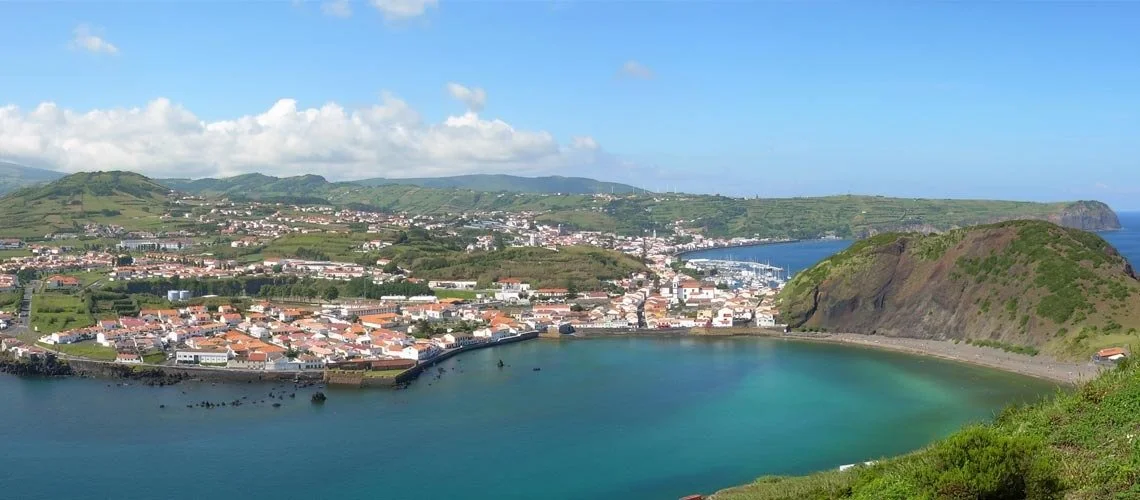
Inspired by our youth training program in the Eastern Arctic, a small pilot will be implemented in Horta, Azores, in fall 2026. University students from Okeanos Marine Sciences Institute, University of the Azores, will be trained as field assistants through immersive field placements in the Port of Horta.
Their first mission: plan and field-test an invasive species monitoring program for the Port of Horta—creating a model that can be scaled across the region.
Guided by scientists, educators and project managers, Okeanos students will test out an invasive species monitoring plan developed by a Canada-Azores working group in 2024/2025. Working group members include Okeanos Institute of Marine Sciences and Regional Directorate for Maritime Policies.
A Hub for Citizen Science Training. Mission 2030 will position Horta, Faial Island, Azores, as a hub for citizen science training and ocean stewardship, anchored at the Escola do Mar dos Açores.
Each year, trained field assistants from the university will guide public monitoring and community engagement efforts between May 22 (International Day for Biological Diversity) and June 8 (World Oceans Day)—turning awareness into action. Pending confirmation of support from corporate and institutional partners, Mission 2030 is slated to officially launch in spring 2027.
Region-to-Region Collaboration. Plans for large-scale Marine Protected Area (MPA) initiatives were announced in 2025 in both the territory of Nunavut in Canada’s Eastern Arctic and in the Azores. As both initiatives move into the implementation phase in the coming months, it is our hope to link partners and program participants in our two regions for sharing of knowledge about the challenges of translating policy into action and the process of engaging with youth and the broader public.

Sharing Knowledge.
Making Connections.
Innovation Forum
OceansXchange brings together partners across the Atlantic to collaborate, innovate, and share knowledge in marine environmental monitoring.
Results-driven innovation in coastal and marine environmental monitoring is central to our joint programming. Held annually each November, the newly created OceansXchange Innovation Forum will convene partners, funders, and leaders with the aim of reviewing progress, driving results, and renewing our shared commitment to youth engagement and citizen science.
Industry Connector
In November 2026, OceansXchange will bring together ocean technology companies, industry leaders, and stakeholders from Atlantic Canada, the Azores, and mainland Portugal.
Through targeted business-to-business meetings and expert roundtables, participants will explore opportunities for collaboration in areas affecting management of coastal zones.
A featured roundtable on Marine Protected Areas (MPAs) will focus on bridging policy and implementation—exploring how technology can support marine conservation efforts across the Atlantic.